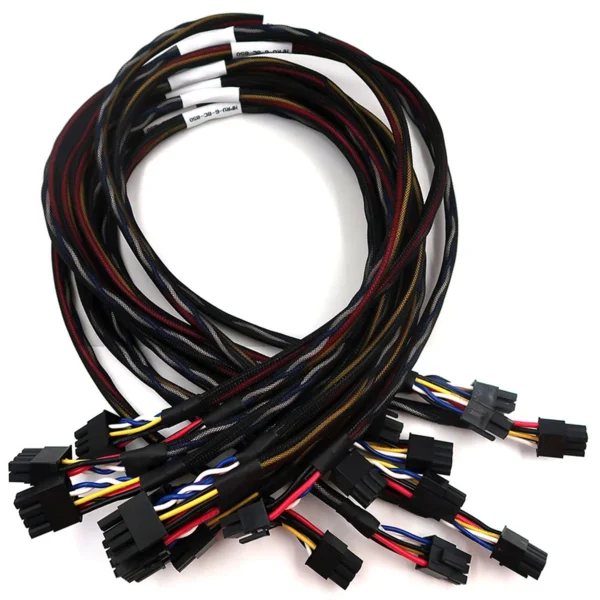
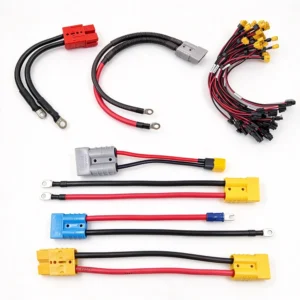
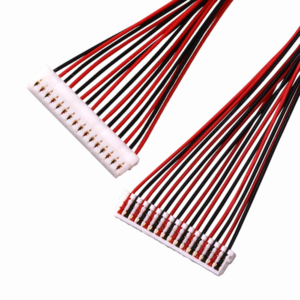
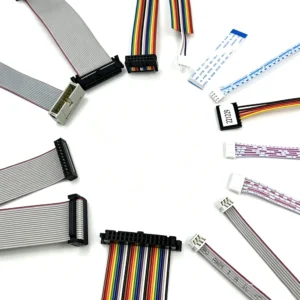
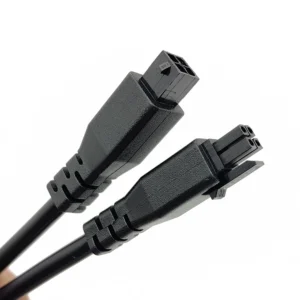
Custom sensor cable assemblies for connecting sensors with controllers, monitoring equipment, control systems and other electronic devices. Fengzhan can customize cable length, wire specification, connector type, pinout, shielding, termination and cable configuration according to your application requirements.
Suitable for industrial sensors, automation equipment, control systems, electronic devices and other OEM applications.
A sensor cable assembly is a pre-assembled cable used to connect a sensor with a controller, monitoring device, control system or other electronic equipment. Depending on the sensor and equipment interface, the assembly may include dedicated connectors, multiple conductors, shielding, terminals, overmolding or other cable protection components.
The cable assembly provides the electrical connection required to carry sensor power, signal or other defined circuits between the sensor and connected equipment.
Fengzhan manufactures custom sensor cable assemblies according to customer drawings, samples, connector specifications, wiring diagrams or project requirements.
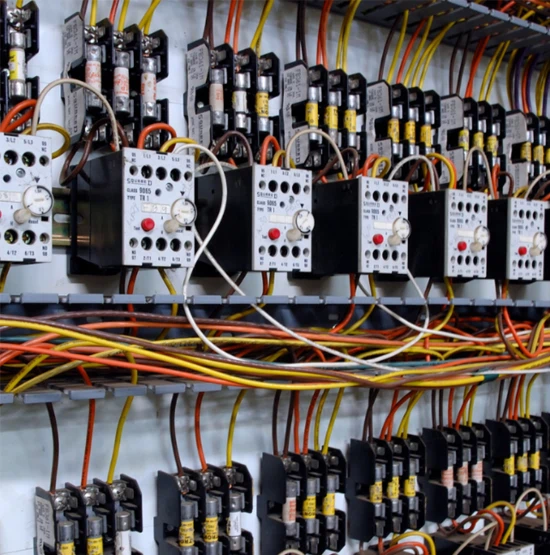
Sensor cable assemblies can connect proximity sensors, photoelectric sensors, temperature sensors, pressure sensors and other field devices with controllers, I/O modules or automation equipment. Cable length, connector configuration and pinout can be customized according to the machine layout and wiring requirements.
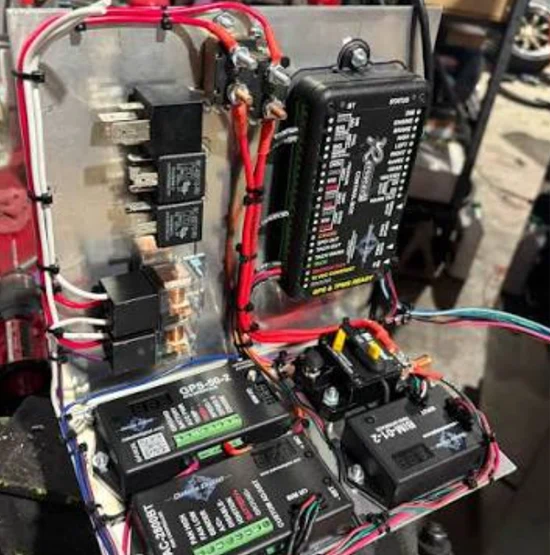
Robotic and motion-control equipment may require sensor cables for position, encoder, proximity or other feedback signals. Cable construction, connector orientation, length and shielding can be configured according to the equipment layout and cable routing requirements.
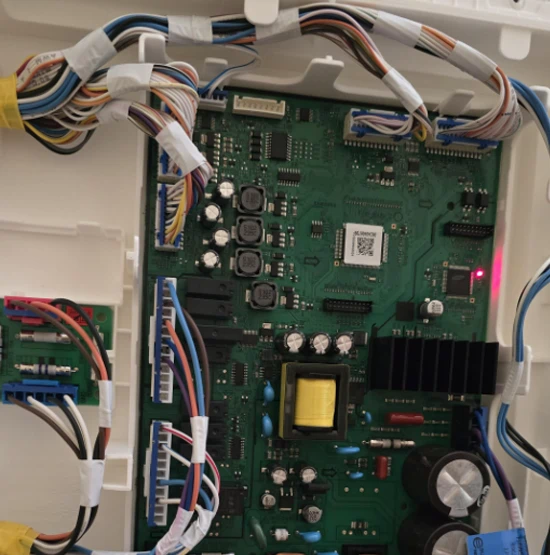
Electronic products may integrate sensors for temperature, position, light, pressure or other functions. Custom sensor cable assemblies can connect the sensor to internal circuit boards or other electronic modules with defined wiring and connector configurations.
Sensor cables can connect sensing elements with monitoring or control equipment used to collect temperature, pressure, position or other measurement signals. The cable assembly can be customized according to the sensor interface and required connection configuration.
Sensor cable assemblies are designed not only for physical connection but also for specific sensing and control functions inside equipment. Different wiring configurations allow sensors to communicate with control systems, provide feedback signals, and support reliable operation in various electronic and industrial applications.
Sensor cable assemblies provide the electrical connection between a sensor and its controller, PLC, I/O module or other control equipment. Connector type, conductor configuration and pinout can be customized according to the required interface.
Sensor cables can carry defined electrical signals from sensing devices to connected monitoring or control equipment. The cable construction can be selected according to the sensor type, wiring configuration and application requirements.
Some sensor interfaces require conductors for power supply in addition to signal circuits. The cable assembly can be configured with the required conductors and connector pinout according to the sensor and equipment specifications.
Sensor extension cables can increase the distance between the sensor and connected equipment when the standard cable length is insufficient. Cable length, connector configuration and wiring can be customized according to the installation requirements.
Sensor cable assemblies can be customized according to connector type, wire structure, signal requirements and installation environment. Different configurations help manufacturers integrate sensors into their products while maintaining reliable electrical performance and efficient assembly processes.
Sensor cable assemblies can be terminated with a specified connector to match the sensor or equipment interface. Connector type, gender, pin configuration, cable length and wire specification can be customized according to the application.
Sensor-to-open-wire cable assemblies provide a connectorized connection at the sensor end and exposed wires at the opposite end. This configuration can be used when the cable needs to connect directly to terminals, control cabinets or customer-specific equipment interfaces.
Sensor extension cables provide additional cable length between a sensor and connected equipment. Connector type, cable length, wire specification and pinout can be configured according to the existing sensor interface and installation requirements.
M8 and M12 sensor cable assemblies can be configured for compatible sensor and industrial equipment interfaces. Depending on the selected connector, the cable can be supplied with different pin configurations, connector genders, cable lengths and cable exit directions.
Shielded sensor cable assemblies can be used for applications where electromagnetic interference or electrical noise needs to be considered. Shielding structure, drain wire, connector termination and cable construction can be specified according to the application.
Overmolded sensor cable assemblies integrate the connector transition and cable protection into a molded structure. The overmold shape, cable exit direction, connector configuration and cable length can be customized according to the equipment design.
Engineered for dependable sensor-to-controller connections, these custom cable assemblies are made with solid oxygen-free copper wire to maximize conductivity and reduce signal loss. We tailor connector type, pin count, wire size, color, sleeving, and length to your exact drawings or samples.
Sensor cable assemblies can be configured with the connector required by the target sensor or equipment. Customers can specify the connector manufacturer, part number, gender, orientation and pin configuration when available.
Pinout can be defined according to the sensor wiring diagram, connector specification or equipment interface. Customers can provide the required pin assignment or wiring diagram for production review.
Cable length can be customized according to the distance between the sensor and connected equipment. The required finished length can be specified directly or provided through a drawing or sample.
Sensor cables can be configured with shielded or unshielded construction according to the electrical environment and signal requirements. Shielding options should be considered together with connector termination and grounding requirements.
Depending on the project, cable jacket materials such as PVC, PUR, TPE or silicone can be considered. Material selection should be based on the required flexibility, temperature, mechanical and environmental conditions.
Connector orientation and cable exit direction can be customized according to the installation space. Straight and right-angle configurations can be considered where supported by the selected connector and cable structure.
Different applications may require different cable construction and electrical or mechanical configurations. If your project has a specific signal transmission or overmolding requirement, explore the following cable assembly solutions:
For cable assemblies designed primarily for signal transmission between electronic components, sensors, control systems and equipment, our Signal Cable Assembly solution can be customized with different wire specifications, connector types, pinouts, cable lengths and shielding configurations.
For applications requiring an integrated molded connector-to-cable transition, customized strain relief or a specific overmolding design, our Overmolded Cable Assembly solution provides a way to combine the cable, connector and molded protection into a customized assembly.
Fengzhan can customize sensor cable assemblies according to the electrical, mechanical and installation requirements of the target equipment. Customers can provide a drawing, sample, BOM, connector part number, wiring diagram or basic project information for review.
- Cable length
- Wire gauge
- Number of conductors
- Wire color
- Conductor material
- Cable diameter
- Jacket / insulation material
- Connector manufacturer
- Connector part number
- Male / female
- Pin count
- Pin configuration
- Straight / right-angle
- Connector orientation
- Pinout
- Positive / negative wiring
- Signal circuits
- Power + signal circuits
- Shielding
- Drain wire where required
- Overmolding
- Strain relief
- Heat shrink
- Braided sleeving
- Cable labeling
- Project-specific routing
To prepare a quotation for a custom sensor cable assembly, please provide as much of the following information as available:
A complete drawing is helpful but is not always required for an initial review. If you do not have a complete specification, send us the information or sample you have, and our team can review the requirements for quotation.
Sensor cable assemblies are manufactured according to the specified connector, cable, pinout and termination requirements. Depending on the project, the production process may include wire preparation, terminal crimping, connector assembly, overmolding and electrical testing.
Incoming wires, terminals, connectors and other materials are checked against the specified project requirements before production.
Wires are cut and prepared according to the required cable length, stripping dimensions and assembly configuration.
Terminals are crimped according to the specified wire and terminal combination, with crimping quality checked during production.
Terminated wires are inserted into the specified connector housing according to the required pinout and wiring configuration.
When required, the connector-to-cable transition can be overmolded or protected using the specified construction. The molding geometry and cable exit are controlled according to the approved project requirements.
Finished sensor cable assemblies are checked for electrical continuity, wiring configuration and appearance according to the defined inspection requirements before shipment.
1. What is a sensor cable assembly?
A sensor cable assembly is a pre-assembled cable used to connect a sensor with a controller, monitoring device, control system or other electronic equipment. The cable can be configured with specified connectors, conductors, pinout and cable protection.
2. Can you manufacture custom sensor cable assemblies?
Yes. Fengzhan can manufacture custom sensor cable assemblies according to customer drawings, samples, BOMs, connector specifications or wiring requirements. Cable length, wire specification, connector configuration, pinout, shielding and termination can be customized.
3. Can you manufacture M8 and M12 sensor cables?
If the required M8 or M12 connector is supported for the project, Fengzhan can configure the cable according to the required connector type, gender, pin configuration, cable length and wiring arrangement. Please provide the connector part number or drawing for confirmation.
4. Can you customize the sensor cable pinout?
Yes. Pinout can be customized according to the sensor wiring diagram, connector specification or equipment interface. Customers can provide the required pin assignment, wiring diagram or sample for review.
5. Can you manufacture shielded sensor cables?
Yes, shielded configurations can be considered for applications where electromagnetic interference or electrical noise needs to be addressed. The shielding structure and connector termination should be defined according to the cable and application requirements.
6. Can you make sensor cables from a sample?
Yes. A physical cable sample can be used as a reference for reviewing the connector, cable construction, approximate dimensions and wiring configuration. A drawing or wiring information can also be provided when available.
7. Can you provide overmolded sensor cable assemblies?
Yes. Overmolded configurations can be manufactured when the project requires an integrated molded structure around the connector-to-cable transition. The connector, cable, molding shape, cable exit direction and material should be confirmed according to the project requirements.
8. What information do you need for a sensor cable quotation?
The most useful information includes the connector type, pinout, cable length, wire specification, conductor count, shielding requirements and estimated quantity. A drawing, BOM, wiring diagram or sample can also be provided for a more accurate quotation.